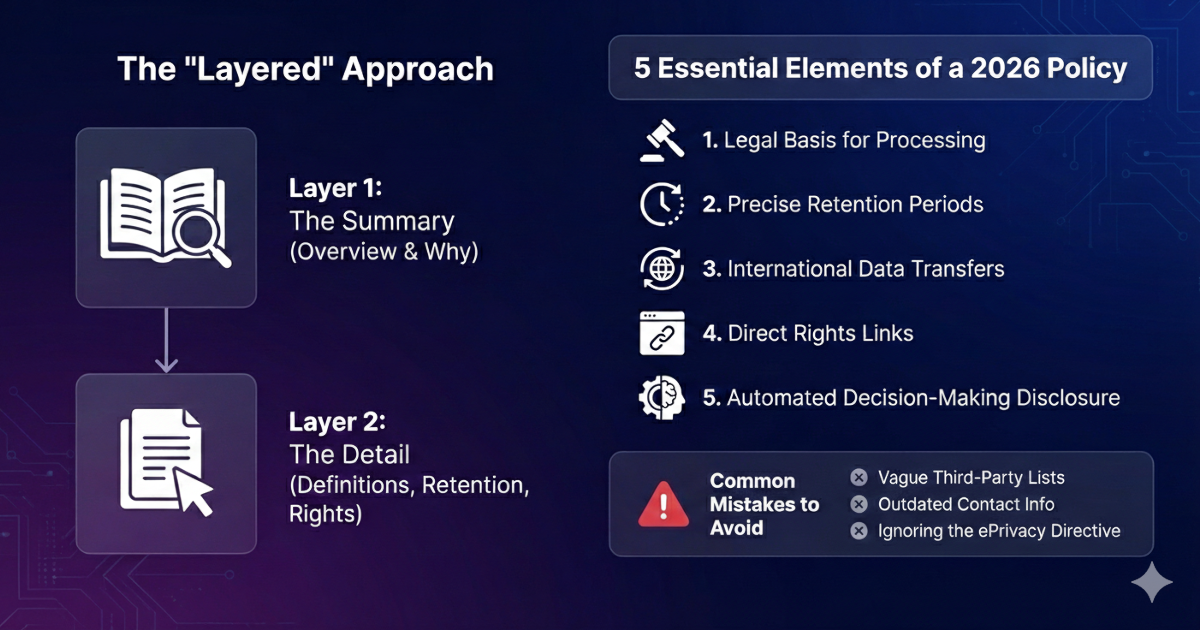
AI-generated (Gemini Pro)
The #1 GDPR Cookie Mistake Most Websites Still Make
The #1 GDPR Cookie Mistake Most Websites Still Make
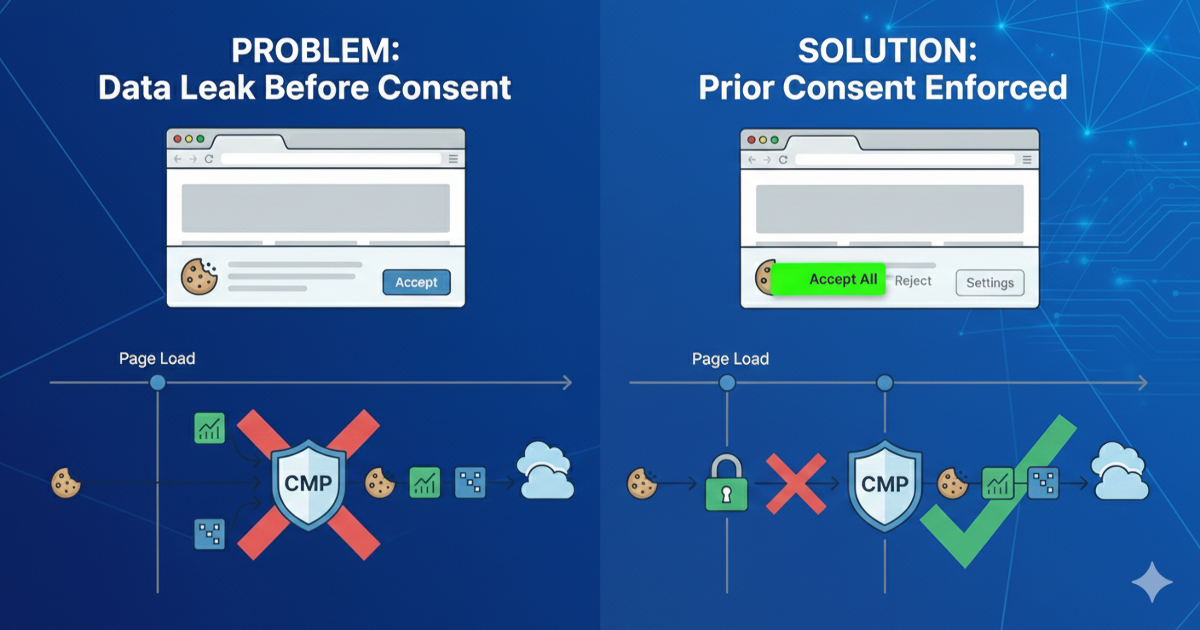
The #1 GDPR cookie mistake is loading tracking cookies (analytics, pixels, heatmaps) before obtaining user consent. Under GDPR and ePrivacy Directive Article 5(3), all non-essential scripts must remain blocked until the user makes an affirmative choice. This violation appears in the majority of websites, even those with visible consent banners, because consent management platforms often fail to technically block scripts until consent is granted.
At SecureSpells, we have performed technical audits on hundreds of domains ranging from local e-commerce stores to global SaaS platforms. Despite the maturity of privacy laws, one critical failure appears in nearly every audit:
Many websites set tracking cookies before the user has provided valid consent.
This isn't just a technical glitch; it is a fundamental breach of European privacy standards. Understanding why this happens—and how to fix it—is the first step toward true regulatory compliance.
Why "Cookies Before Consent" Violates the Law
Under the GDPR and the ePrivacy Directive (Article 5(3)), the legal requirement is "Prior Consent." This means:
- Zero-Load Execution: No non-essential scripts (Analytics, Pixels, Heatmaps) should execute upon the initial page load.
- Affirmative Action: Data processing can only begin after a visitor makes an active, informed choice.
- Default Block: Your website must be configured to "hold" all tracking technologies in a pending state until the CMP (Consent Management Platform) signals an "Accept" event.
Audit Your Site Performance: Many banners look compliant but fail to actually block the underlying scripts. You can use tools like SecureSpells to quickly check how your website is performing and identify any "pre-consent" leaks.
The "Essential Cookie" Trap
The second most frequent mistake is the misclassification of cookies. We often see companies label analytics, performance tracking, or A/B testing scripts as "Strictly Necessary."
The Regulatory Reality:
- Essential Cookies: Only those strictly required for the service to function (e.g., login sessions, shopping carts, or security tokens).
- Non-Essential: Anything used for business optimization, marketing, or user behavior tracking.
Labeling a Meta Pixel as "Essential" is considered a dark pattern and is a high-priority target for Data Protection Authorities (DPAs), as highlighted in the EDPB Cookie Banner Taskforce report (January 2023).
Case Study: The Cost of Non-Compliance
The financial risks are no longer theoretical. High-profile cases have set a clear precedent:
- Google & Amazon: In December 2020, France's CNIL issued fines totaling €135 million (Google €100M confirmed by France's Conseil d'État, Amazon €35M) specifically because advertising cookies were placed before user consent was collected.
- SME Enforcement: Regulators in Spain, Denmark, and Germany have begun auditing small-to-medium businesses. For a startup or local shop, a GDPR fine isn't just a legal headache—it can be a business-ending event.
Checklist: How to Achieve Cookie Compliance
To ensure your website respects user choice and avoids the spotlight of regulators, follow these steps:
- Perform a Behavioral Scan: Identify every script that loads on the first visit. Use a tool like SecureSpells to see exactly what fires before the "Accept" button is clicked.
- Synchronize your CMP: Ensure your Tag Manager is synced with your cookie banner. Use "Google Consent Mode v2" to automate the blocking of marketing tags.
- Re-classify your Inventory: Be honest about what is "Essential." If it tracks user behavior for your benefit rather than the user's immediate technical need, it requires consent.
- Implement 'Privacy by Default': Assume the user says "No" until they explicitly say "Yes." Learn more: Cookie banner compliance guide.
Related Articles